LightPOV
Wireless IoT LED Performance System
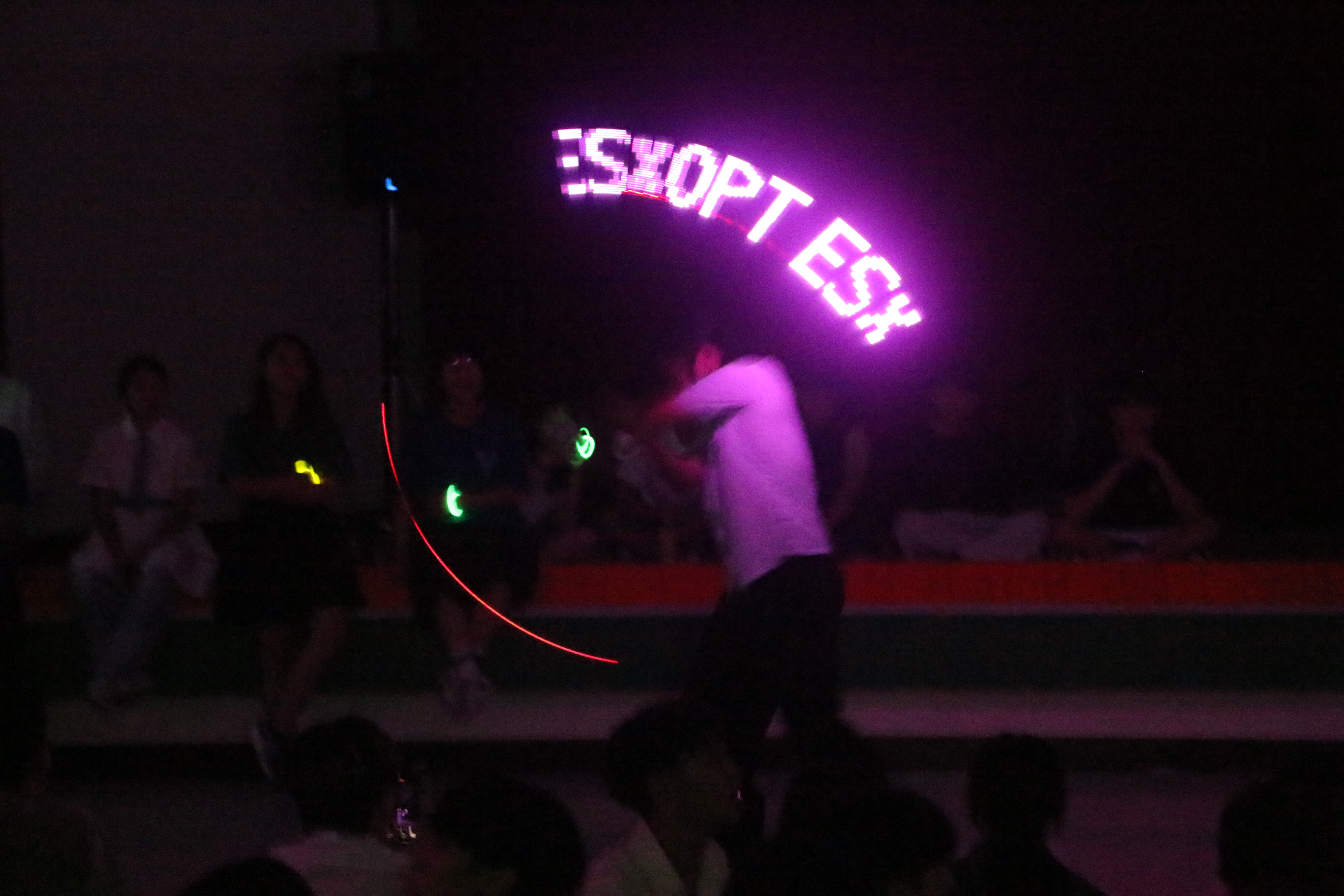
LightPOV is a comprehensive IoT project designed to revive and modernize legacy from the maker space performance props for freshman orientation camps. The system integrates custom hardware, firmware, and software to create synchronized light shows. It features Persistence of Vision (POV) , allowing rotating props to display 2D images, all synchronized wirelessly to music.
1. Electronics
Stick & Snake
- MCU: Built on ESP32 for its dual-core architecture and Wi-Fi capabilities.
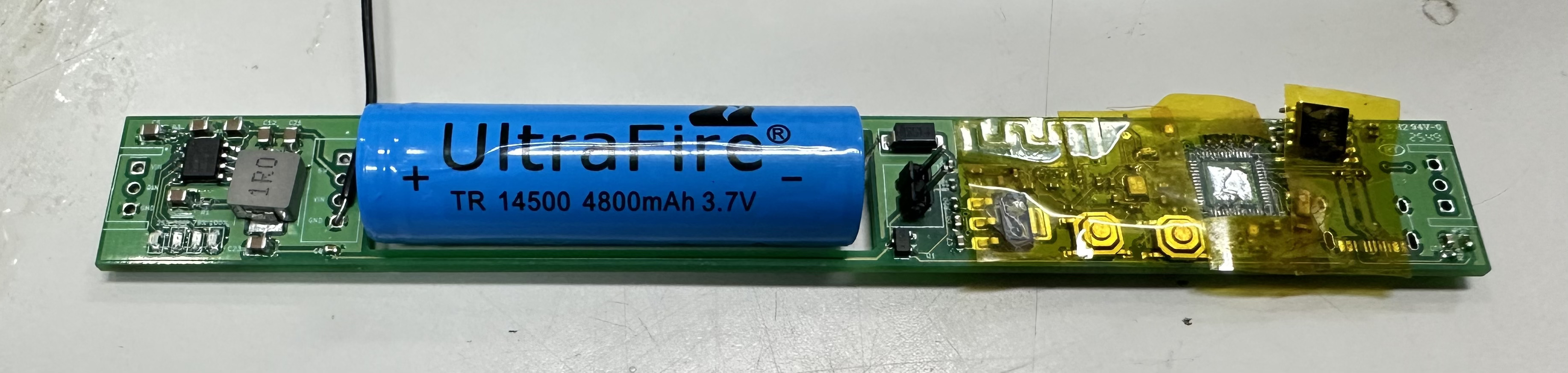
- Power Management: Integrated 18650 Li-ion batteries with IP5306 modules for charging management and AMS1117 as 3.3V/5V power regulator for stable 3.3V/5V rails.
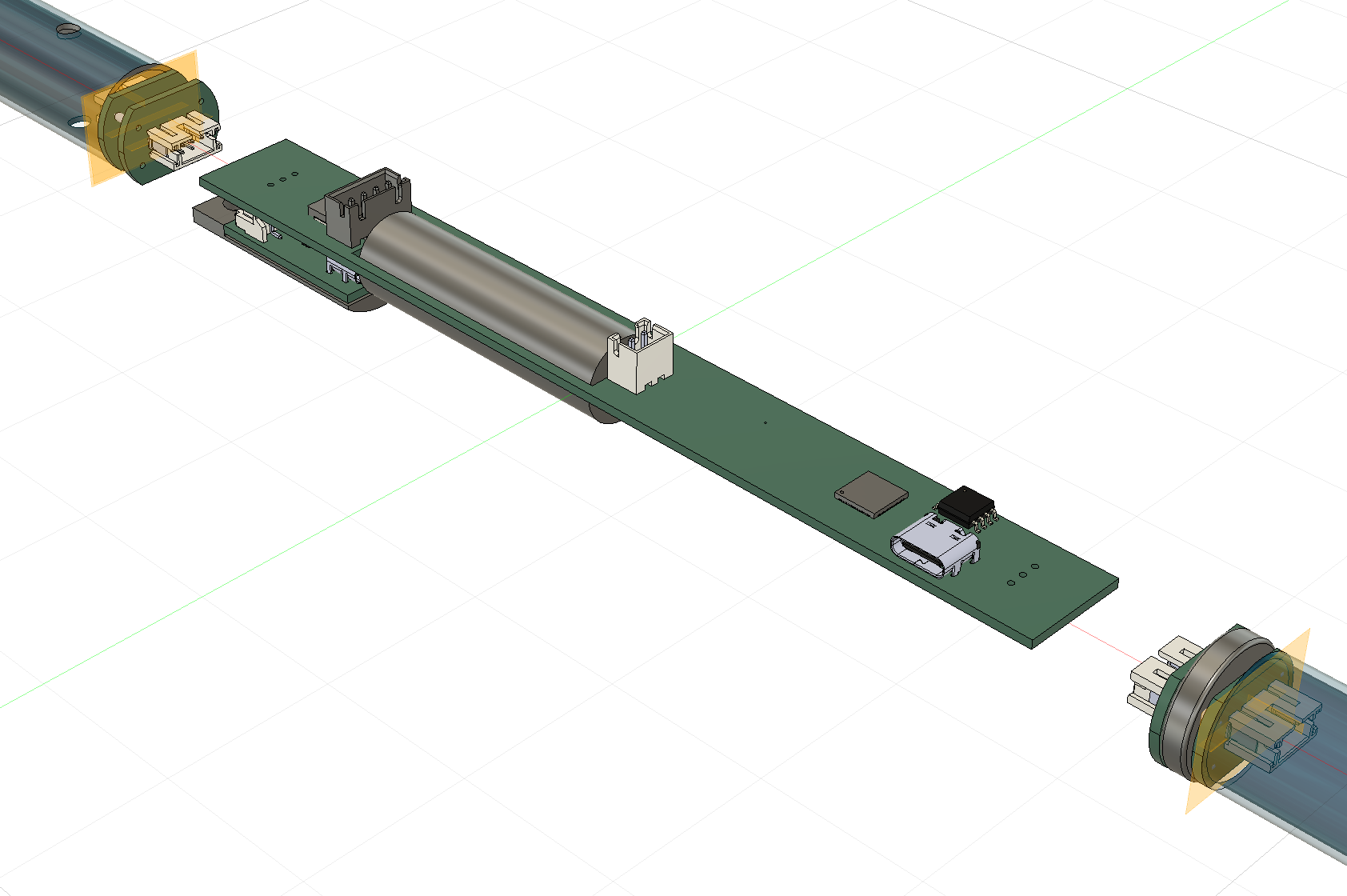
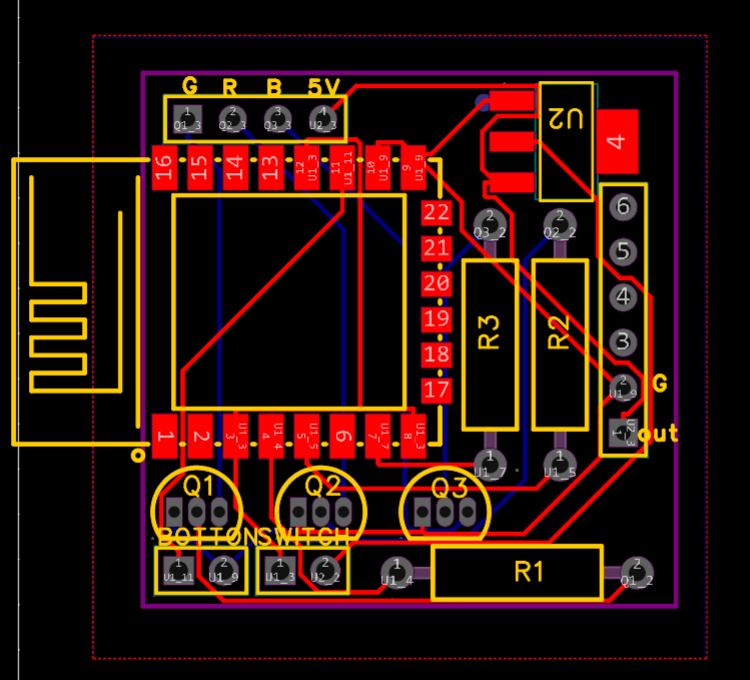
PCB Layout: Iterative design process from breadboard prototypes to custom-manufactured PCBs (Version1 to Version3). We are designing Version 4 Now !!
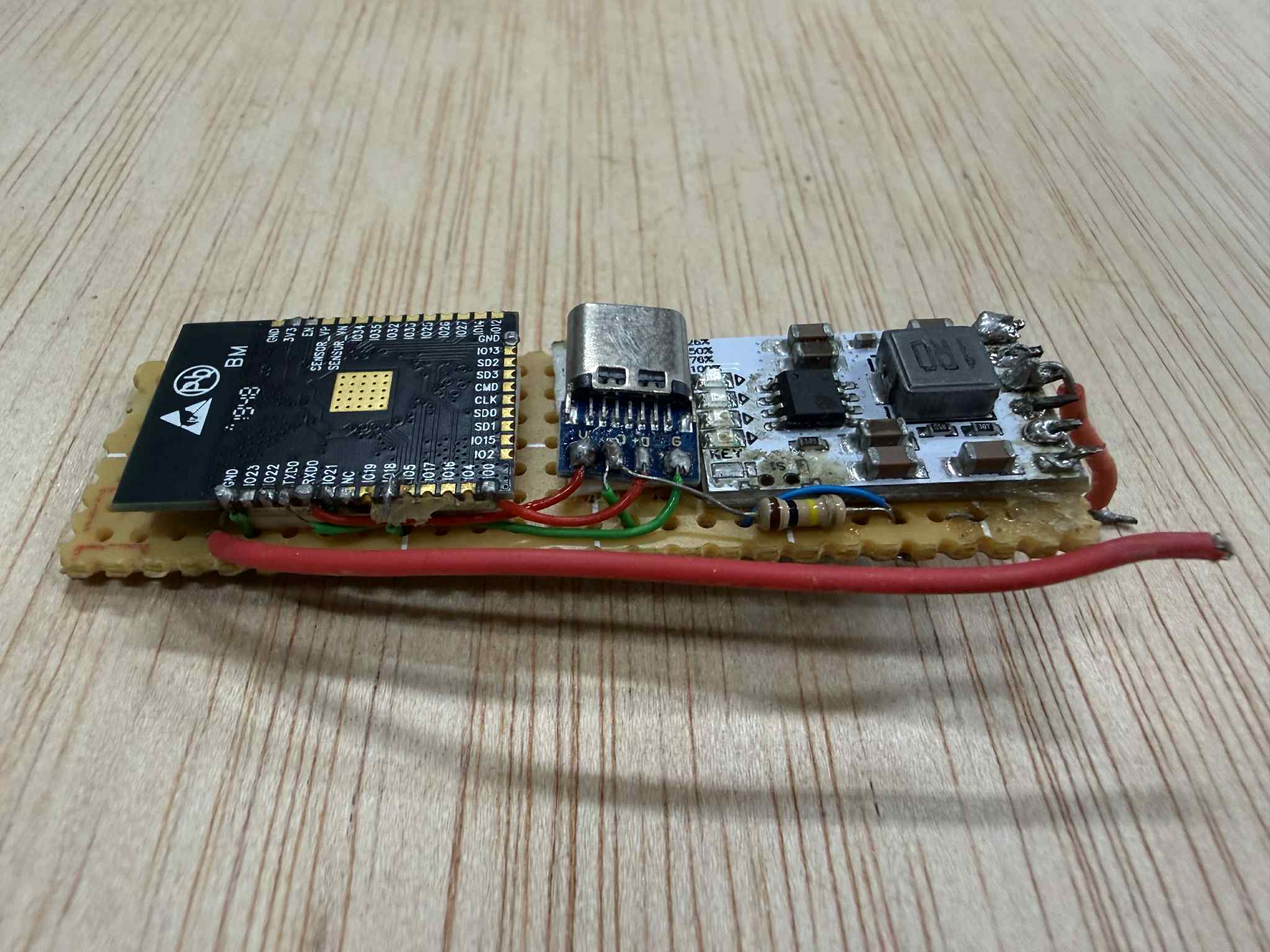
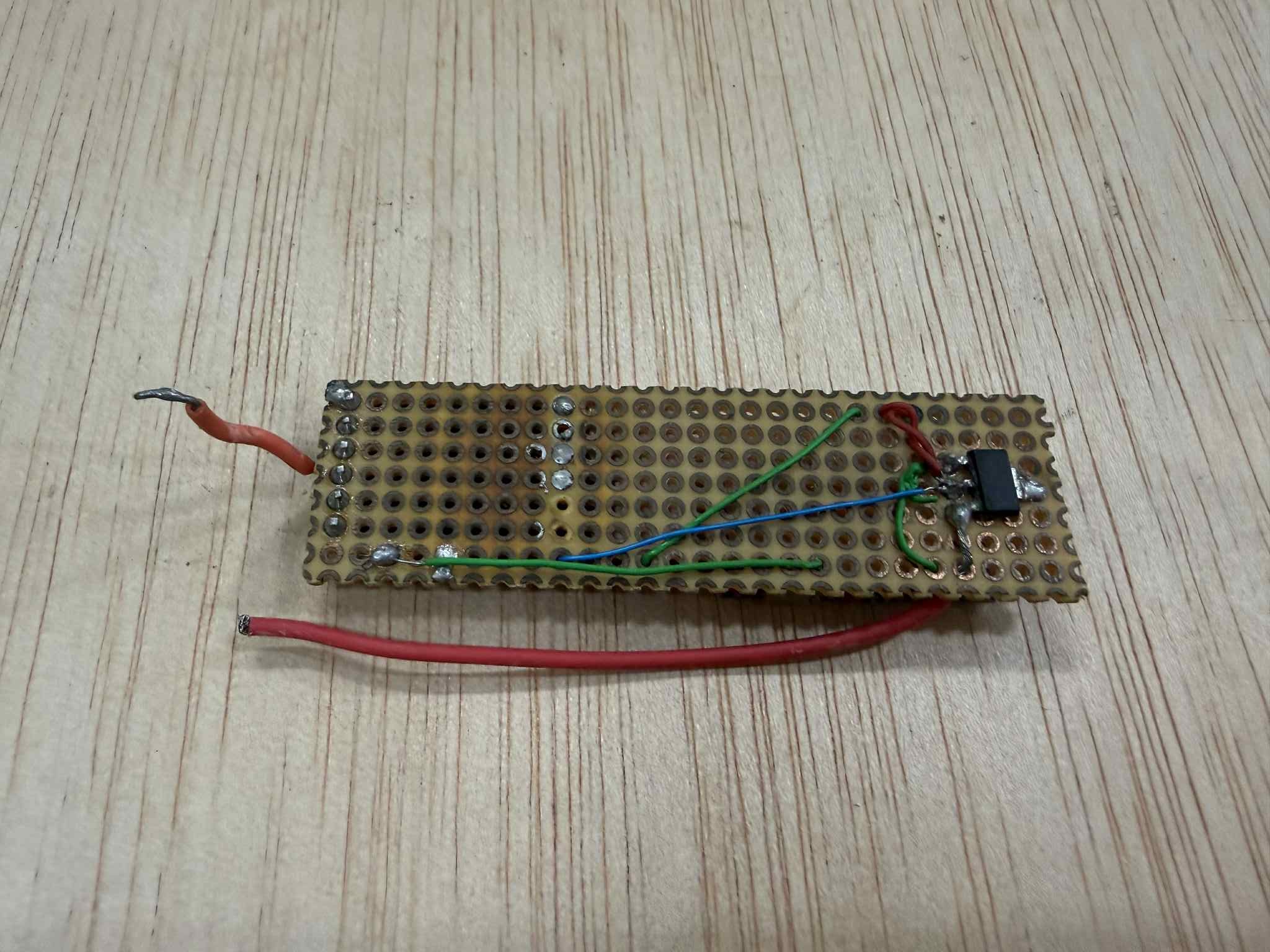
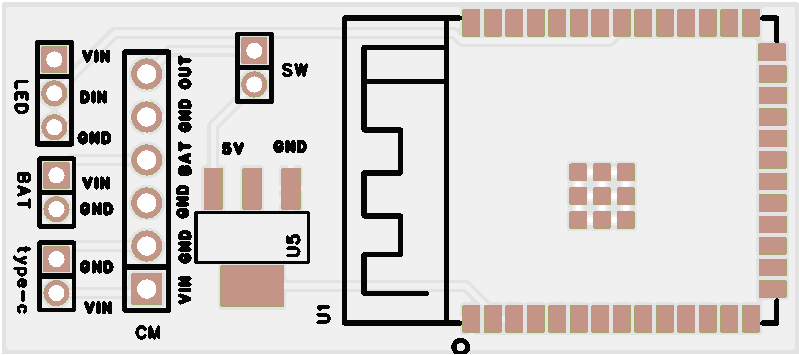
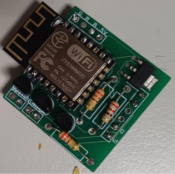
In version 2, we rearranged the layout of the PCB to decrease the soldering difficulty and switched from 18650 battery to 14500 battery to reduce the tube radius.



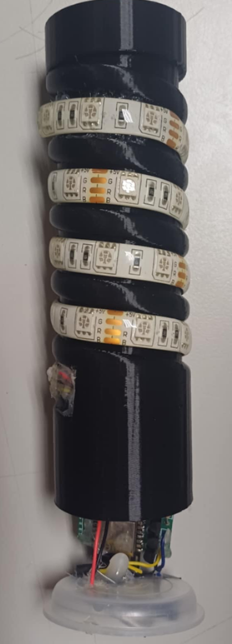
Ball
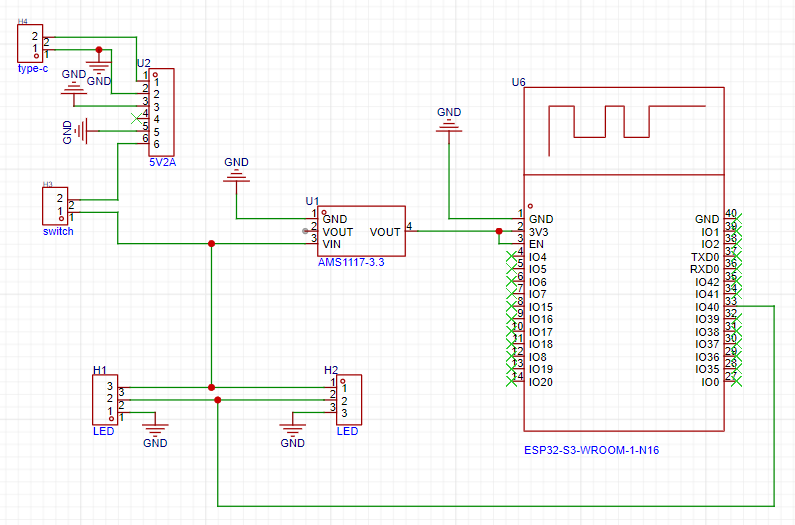
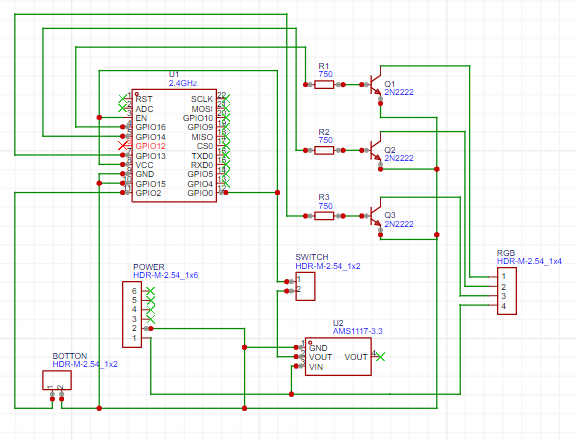
The circuit utilizes an AMS1117-3.3 regulator to step down the input power into a stable 3.3V rail, which supplies both the ESP-12F microcontroller and the RGB LEDs. The MCU manages the lighting effects by driving 2N2222 transistors; these transistors act as high-speed switches, toggling the LEDs’ ground connection based on logic signals from the MCU
2. Hardware Design
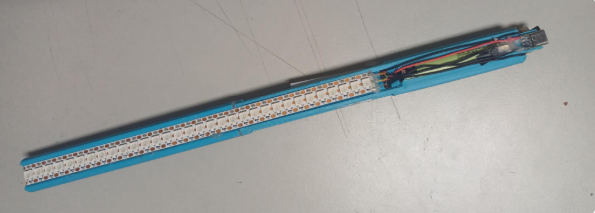
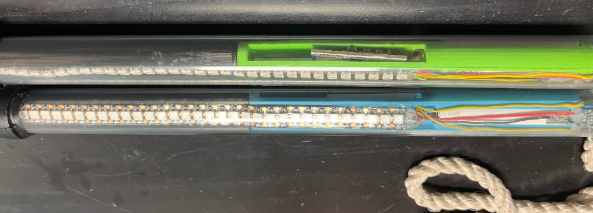
Light Stick and Snake use PC transparent plastic tubes for impact resistance.

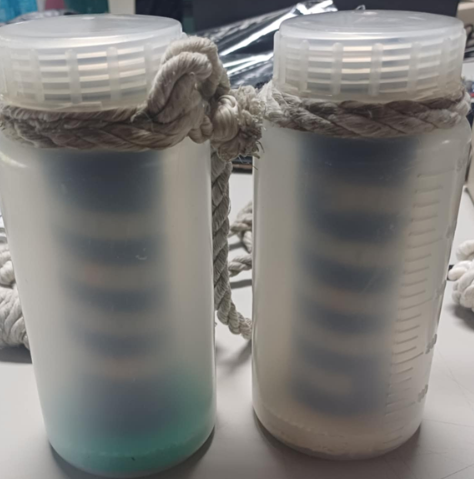
Light Ball uses a semi-transparent PE medicine container for better light effects.
3. Firmware (Embedded System)
- Dual-Core Processing: Leveraged ESP32’s dual cores—Core 0 handles Wi-Fi stacks/networking, while Core 1 is dedicated to LED timing to prevent flickering.
- Waveform Algorithms: Implemented custom math functions (
ramp(),tri(),pulse(),step()) to map HSV color spaces dynamically onto the LED strip coordinates.

- Wireless Group Control: Synchronizes multiple devices via Wi-Fi with low-latency signal broadcasting. The server sends a queue of light effect to each device to ensure that the light effects between devices synchronize, compensating for Wi-Fi signal latency and instability.
4. Effect Editing GUI & IOT monitoring System
-
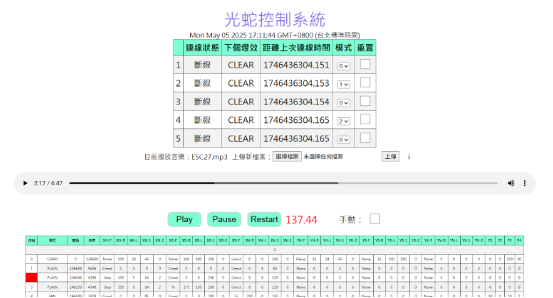
Backend Server: Developed with Node.js (
server.js) to handle device registration, heartbeats, and command broadcasting. -
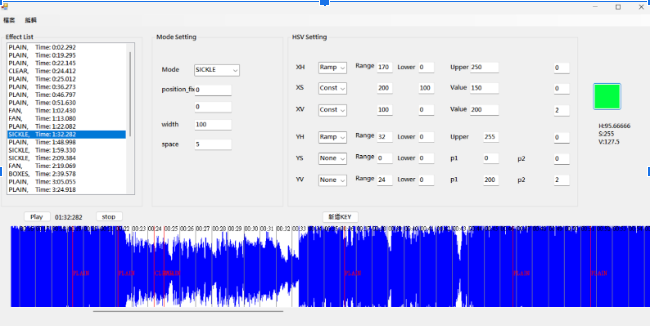
Effect Editor: Built a C# Windows Forms application featuring a timeline-based editor. It exports JSON configuration files that the server parses to control the devices.
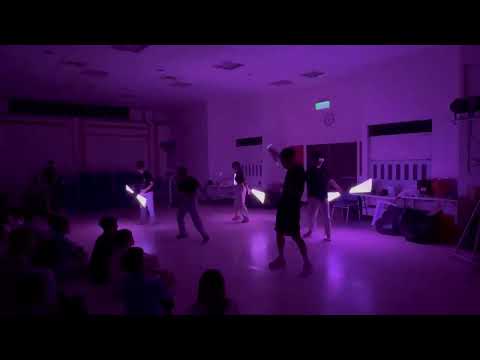
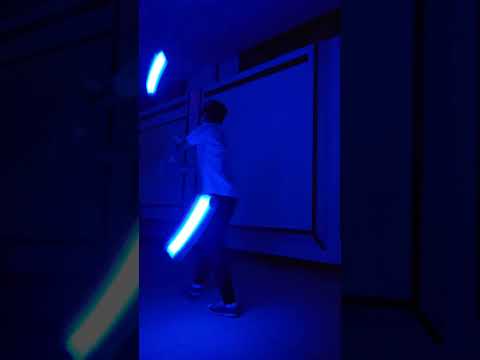
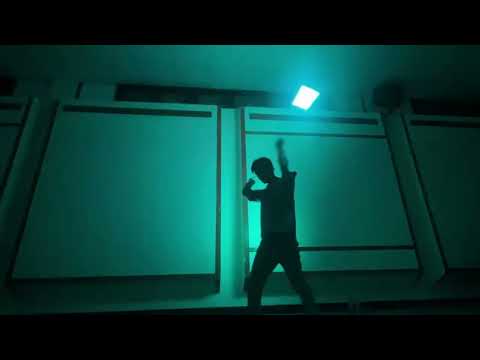
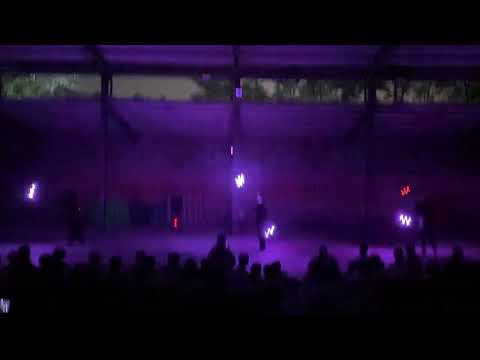
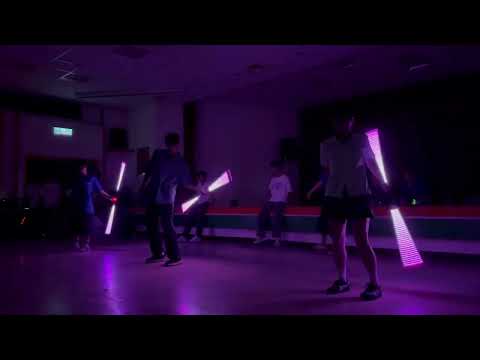
🎬 Live Performance
(Click to watch on YouTube)
Resources
Stay Tune!! The project is updating!!! New hardware、PCB、Effect Editing GUI is coming!
Replace the module with mounted electronics to reduce the core radius.